
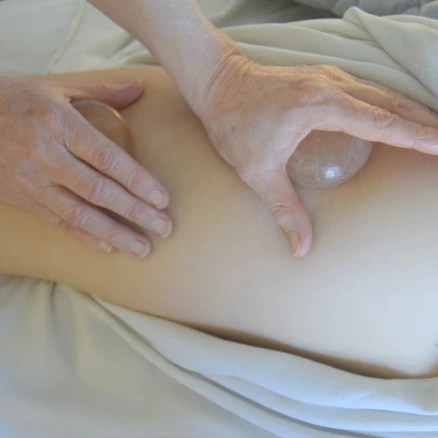
As a licensed massage therapist, you know that the right tools are essential for providing effective massages to your clients. One of the decisions you’ll need to make when preparing for a massage session is which type of stones to use: salt stones or basalt stones? Both have their benefits, so let’s take a closer look at the differences between these two types of stones.
Basalt Stones
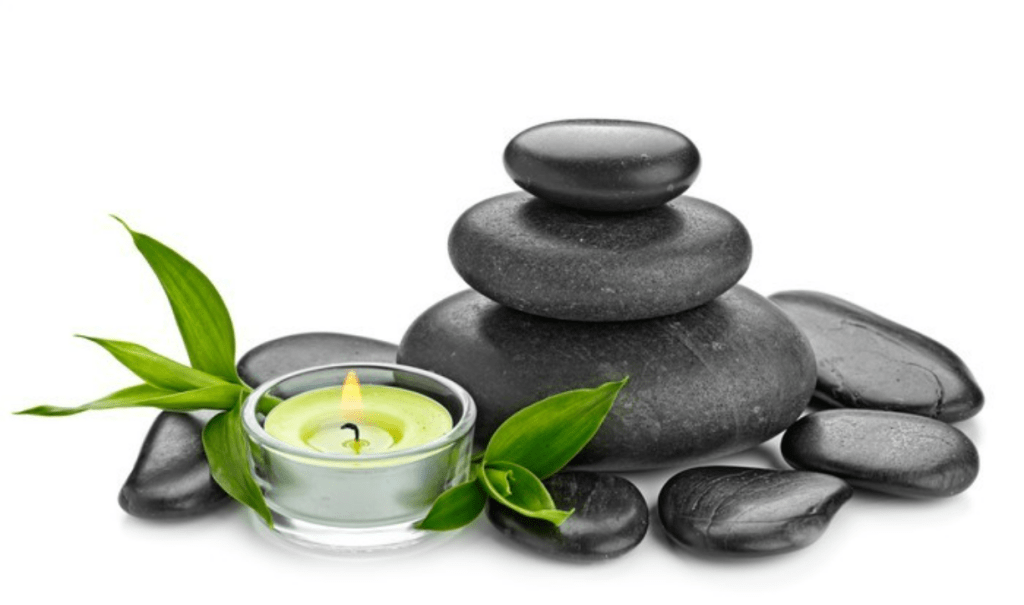
Basalt stones are the most commonly used type of stones in massage
therapy. These volcanic rocks are formed from the cooling and solidification of lava. Basalt stones are known for their ability to retain heat for long periods of time, which makes them ideal for providing deep-tissue massages. However, it’s important to use them with a strict protocol to prevent burning the client, as they are typically set on the body during the massage. They have a smooth surface that glides easily over the skin, providing a relaxing and soothing experience for clients. However, cleaning and setting up these stones can be laborious and time-consuming, which is something to keep in mind when deciding which type of stones to use in your practice.
Salt Stones
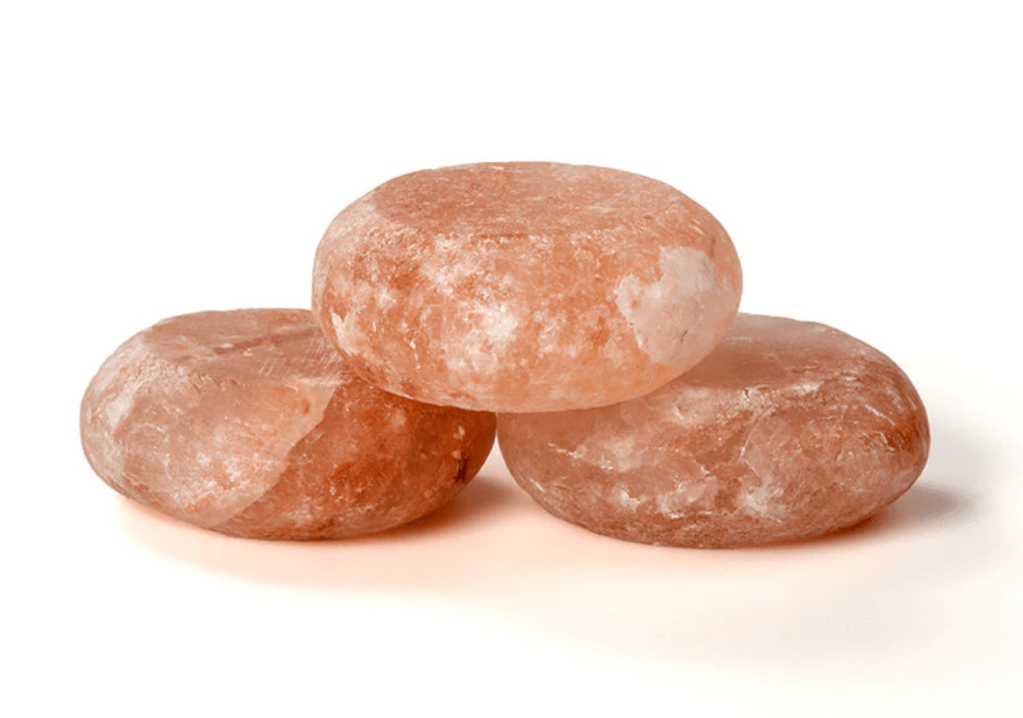
Salt stones are a newer addition to the massage therapy world. These stones are made from pure Himalayan salt, which was formed millions of years ago and was once part of the primordial sea bed. Unlike basalt stones, salt stones are most often incorporated into the massage session by focusing on targeted areas or trigger points, rather than
being laid on the body. The deep penetrating heat from the salt stones helps to soften areas of tension while you work, providing a unique therapeutic benefit to clients. Additionally, salt stones are antimicrobial and hypoallergenic, making them a safe choice for clients with sensitive skin. Professional grade salt stones are a s smooth as glass, much like basalt stones, providing a comfortable and soothing experience for
clients. Cleaning and seasoning of stones is quick and easy.
So, what are the benefits of using salt stones over basalt stones for massage therapy? Here are a few reasons why you might want to consider incorporating salt stones into your practice:

- Detoxification: As mentioned earlier, Himalayan salt is known for its detoxifying properties. When heated and used during a massage, salt stones can help to draw toxins out of the body and promote overall relaxation.
- Improved Circulation: Salt stones can also help to improve circulation in the body, which can lead to a range of health benefits. By placing salt stones on specific points of the body, you can encourage blood flow and reduce tension in muscles.
- Skin Nourishment: Himalayan salt is rich in 84 trace minerals that are beneficial for the skin, such as magnesium, calcium, and potassium. When used during a massage, salt stones can help to nourish and hydrate the skin, leaving it looking and feeling healthier. It is suggested after a massage to suggest not showering to receive the full benefits of the trace minerals.
In conclusion, both salt stones and basalt stones have their benefits for massage therapy. If you’re looking to incorporate a new and unique element into your massages, salt stones may be worth considering. With their detoxifying and skin-nourishing
properties, they can provide a refreshing and rejuvenating experience for your clients.
 Liberty learning online
Leave a comment